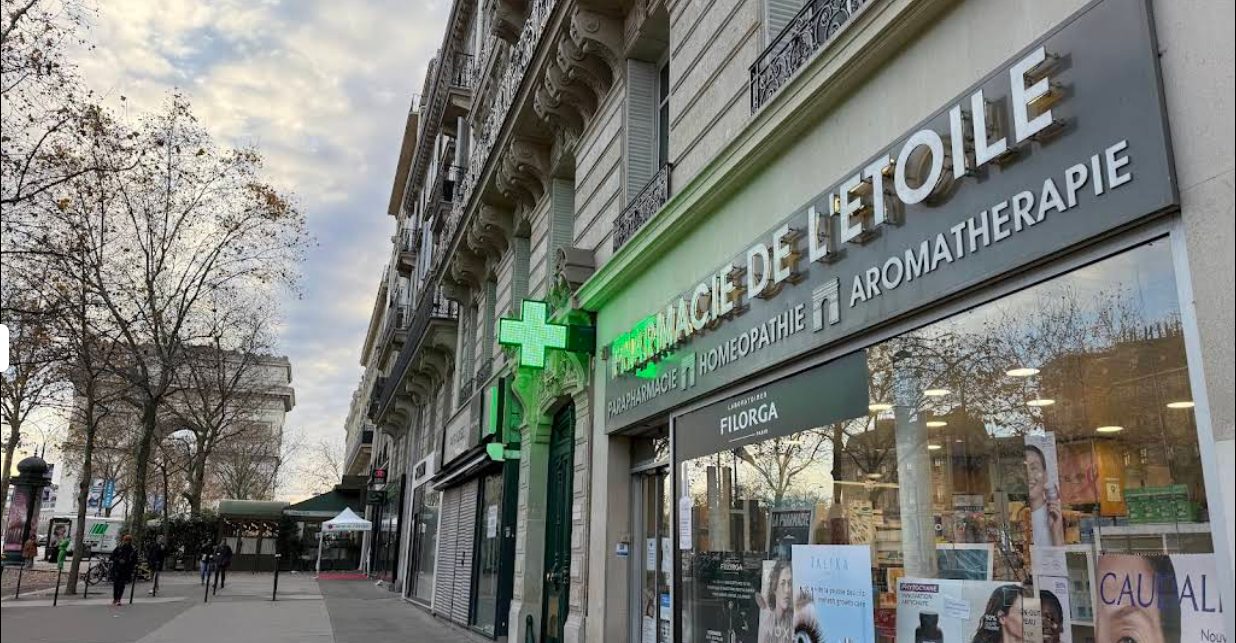
 Pharmacie de l'Étoile
 Health tips
Simple, up-to-date guidance to look after yourself and your loved ones. This information is general: for any personal question, our team and your doctor remain your best point of contact.
DHEA: what do we really know about this hormone?
DHEA (dehydroepiandrosterone) is a hormone naturally produced by the adrenal glands, whose levels gradually decline with age. It generated strong interest in the 2000s for its supposed anti-ageing effects, following the work of Professor Étienne-Émile Baulieu.
Even today, DHEA has no marketing authorisation in France as an "anti-ageing" medicine. It remains available only on prescription, as a compounded preparation made in pharmacy, and its use requires medical supervision: it is not an over-the-counter supplement. Side effects are possible (hormonal disturbances, acne, voice changes in women), and certain drug interactions must be monitored. If you have questions about DHEA, the best approach is to speak with your doctor or directly with our team, who can guide you.
Understanding Alzheimer's disease
Alzheimer's disease is a neurodegenerative condition that progressively affects memory, reasoning and independence. It is characterised in particular by an abnormal build-up of proteins (amyloid plaques) in the brain, disrupting communication between neurons.
Early signs are often subtle: repeated forgetfulness, difficulty finding words, disorientation in familiar places. An early diagnosis, made by a doctor, helps to better support the person and their family, and to adapt care over time. There is currently no curative treatment, but comprehensive support (cognitive stimulation, carer support, adapting the living environment) can significantly improve quality of life. Our team can direct you to local support networks and associations if you or a loved one are affected.
Preventing malnutrition in older adults
Malnutrition affects a significant proportion of older adults, particularly after age 75, and remains too often under-diagnosed. It weakens the body, increases the risk of infection and hospitalisation, and makes recovery from illness harder.
Several signs should alert those around an older person: weight loss, even moderate, reduced appetite, unusual tiredness, loss of interest in meals. The causes are often multiple — chewing difficulties, isolation, medication, difficulty shopping or cooking. Pharmacists play an important role in spotting this: they see their older patients regularly and can notice weight or strength loss over time. Solutions exist, including suitable oral nutritional supplements, sometimes covered by health insurance on prescription. Don't hesitate to talk to us about your concerns for a loved one: we can advise you and refer you to your doctor if needed.
A few quick tips
Building a good home pharmacy kit
Pain relievers, plasters, thermometer, antiseptic: the essentials to keep at home, and good storage habits.
Preventing sunburn
Choosing sun protection suited to your skin type, so you can enjoy the sun with peace of mind.
Travelling with peace of mind
Recommended vaccinations, travel kit, precautions in tropical areas: prepare your trip with our team.
Boosting your immune defences
Diet, sleep, supplements: a few simple guidelines for getting through seasonal changes.
A question about one of these topics?
Our team is here to talk it through with you, in complete confidentiality.
Contact us